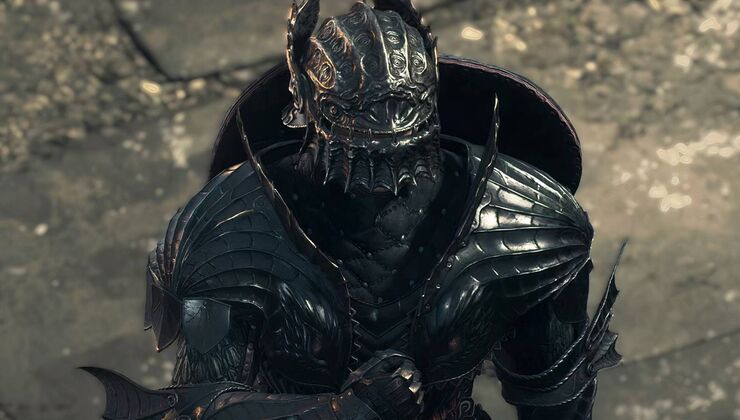
When Dragon’s Dogma 2 launched in early 2024, the game quickly captured the industry's attention as an ambitious sequel that retained all the unique quirks of the original – both the acclaimed and the highly divisive ones.
Director Hideaki Itsuno delivered an uncompromising vision of high fantasy, featuring a curious world, an emergent physics engine, and a unique Pawn system. However, there was another prominent aspect of the game that sparked massive conversation immediately after release: the sudden presence of day-one microtransactions.
Debates surrounding microtransactions are certainly nothing new in the gaming industry, making community backlash almost inevitable whenever they appear. After all, nobody likes the idea of their credit card feeling like an unimmersive gameplay mechanic. Yet, the situation with Dragon’s Dogma 2 quickly snowballed into a much larger controversy at its launch, going viral across social media platforms, triggering a wave of negative reviews on Steam, and leaving a portion of the fanbase deeply confused.
A Controversial History and a Sudden Reversal
The confusion stemmed from the fact that while these paid items were available for real money, every single one of them could actually be acquired organically just by playing the game. So, its microtransactions functioned basically...